

5 Things I’ve Learned in 5 Years of Motherhood
Five years ago, I became a mother, giving birth to our firstborn during the first uncertain month of the pandemic. Similar to how the year 2020 tilted the world, my little six-pound-nothing baby changed my entire life overnight – and she and her brother have just kept on changing it with each new baby milestone, toddler word learned, and the dawn of the “little girl” era.
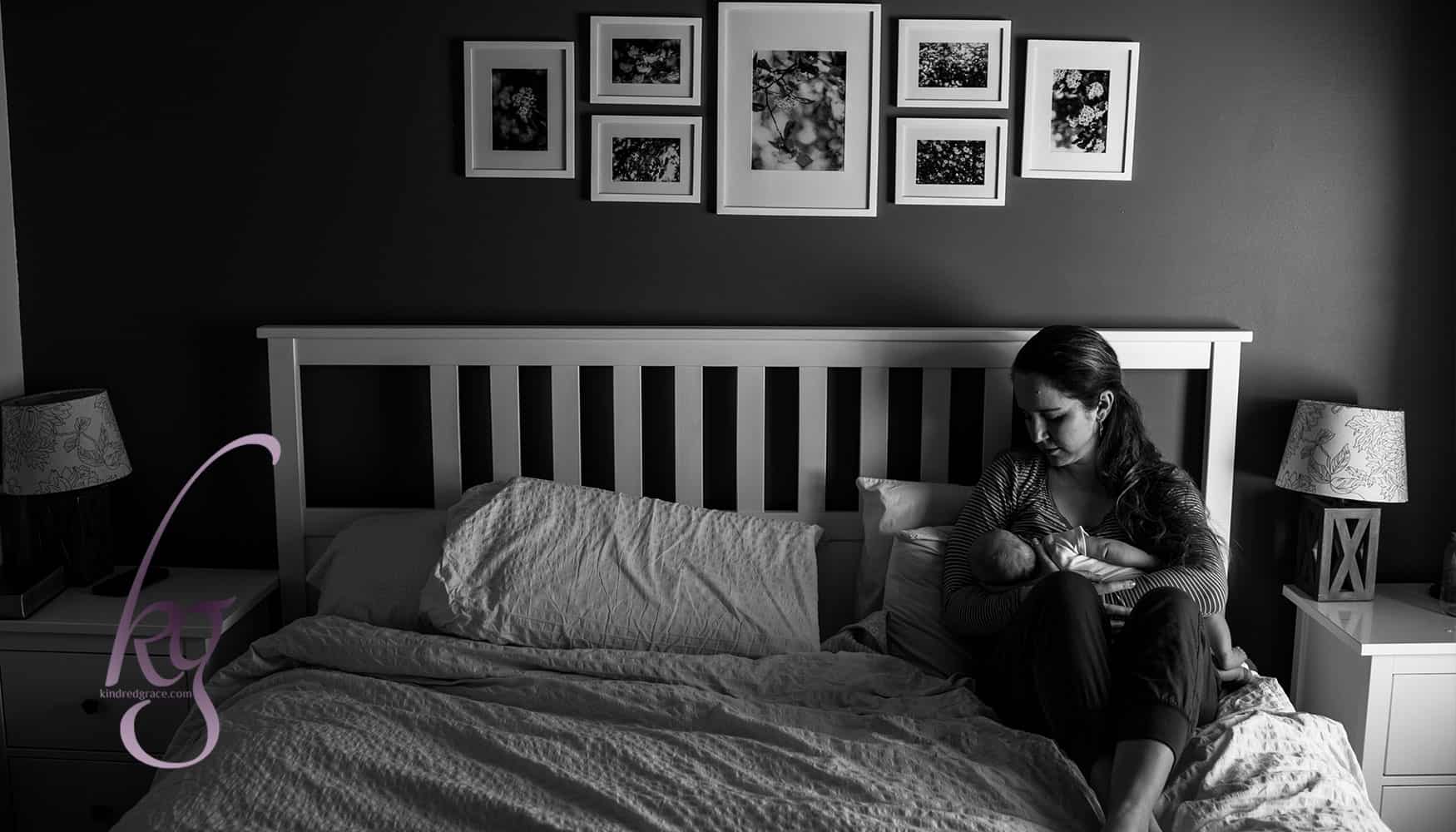
When Motherhood is Filled with the Overwhelming Ache of Fear
Stepping into motherhood was a fear-filled journey for me. I’m probably not alone in that, but it was a surprise to me just how impossibly overwhelmed I felt by the weight and ache of fear. The reality of the cliché proved almost debilitating as I lived with my heart outside my body and felt the pinch of each painful new milestone.
For When You’re Laying the Foundation (and it doesn’t feel fruitful yet)
For months now they’ve been working. Churning up dirt and wreaking mayhem, mostly in the early morning when cars are rushing by on their commute, but often during school pick-up hours, too. A slew of men with hard hats and orange vests intermingling with pig-tailed girls and running boys eager to beat them to the crosswalk.
For weeks I’ve watched those men lay cones, put up barriers, and direct me through the chaos. It seems they’re getting very little done.
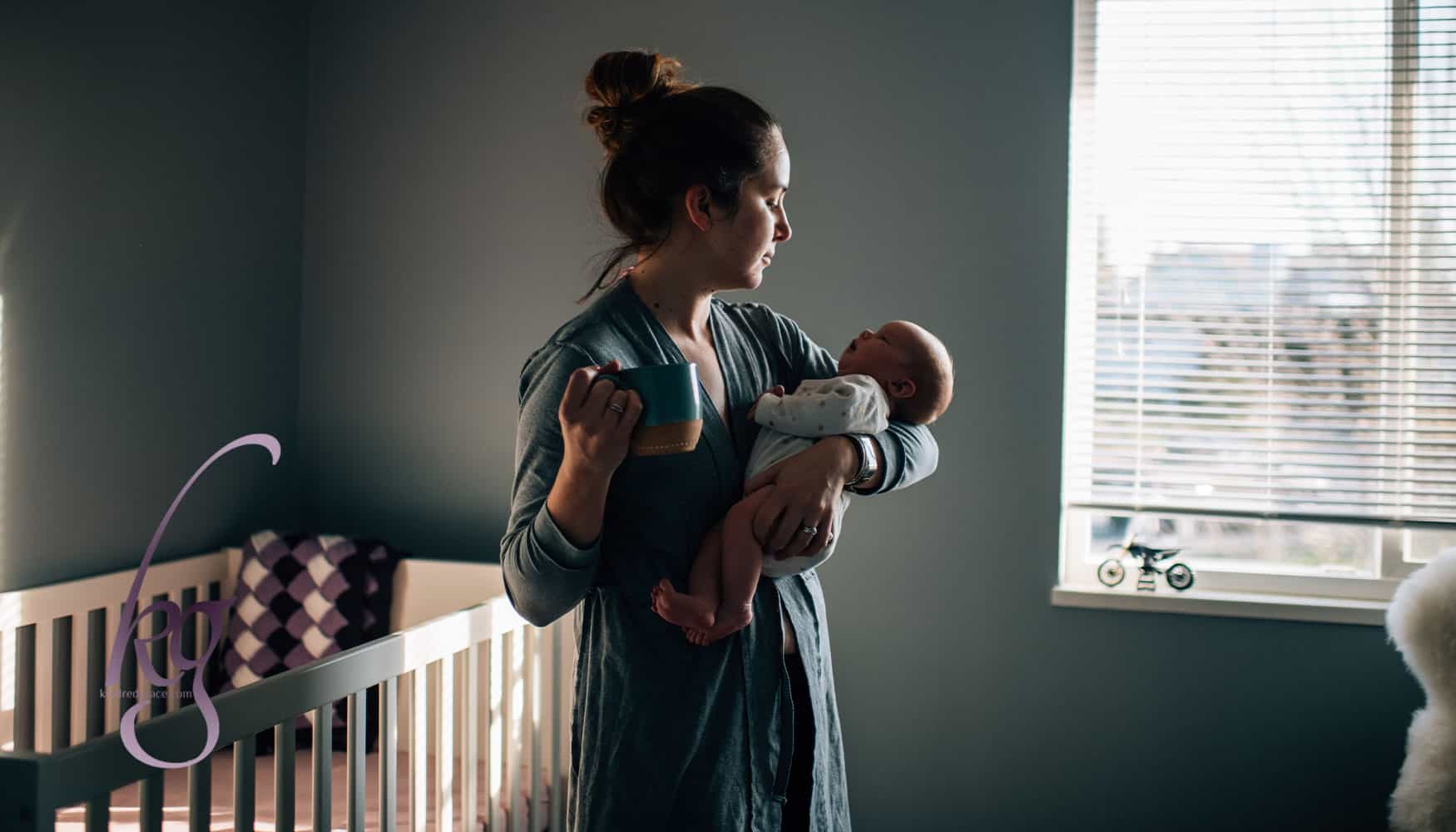
for when I hate motherhood
I hate motherhood. I’ve never said those words aloud, so it feels wild to be typing them and especially wild to be typing them with the intent of sharing this heart secret with the internet world. But I think it’s time to say it: I hate it.
When Motherhood Comes in Weakness
I’m not much of a mom these days. At least, that’s what I’m tempted to feel like when I see all the other moms dashing here and there, taking their kids to sports practice and volunteering in their classroom, hosting big birthday parties and planning fun vacations. My son has a mom who spends much of her time in bed, in a recliner, and in doctors’ offices.
There are moments when I grieve who I can’t be for my 11-year-old, when I mourn the ways my terminal cancer diagnosis has laid heavy burdens on my son’s young shoulders.



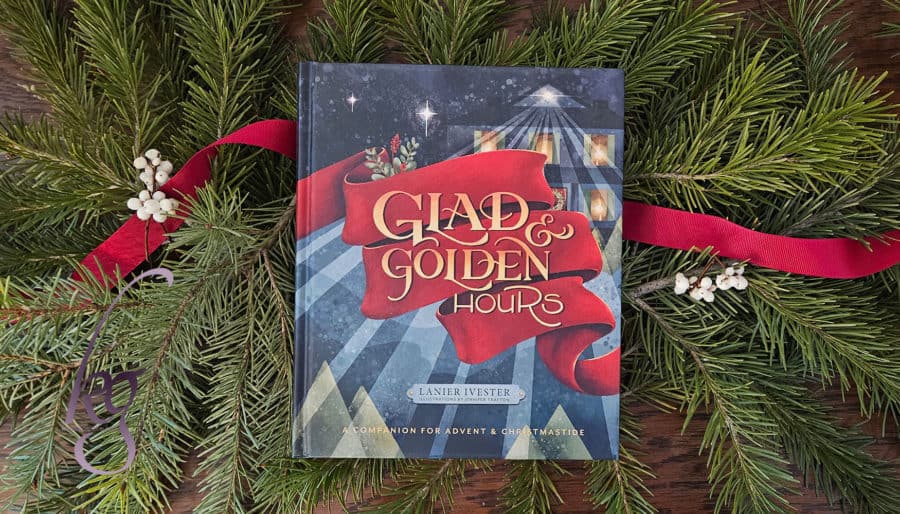
Featuring George MacDonald
Courage, dear heart; God is writing your story. He created you. He is the One Who gives you identity.
In Him, there is hope. There is freedom. There is grace.
Spam and kindred spirits don’t mix. We won’t sell your email address–ever. Read our privacy policy.


Featured Posts







“This is my last sermon as a single man.”
“This is a message that I have waited 44 years to give,” pastor Steve DeWitt told Bethel Church in Crown Point, Indiana….
Wrong Number Text Gone Right
This woman texted a Bible verse to the wrong number but the guy on the other end of the message…
The miracle that could never happen.
The miracle that could never happen happened in 1969 when I remarried. I had thought it was a miracle to marry the first time. To imagine a second was beyond me.